
The 40-40-20 Workforce: How Arnold Clark Blends Full-Time, Contingent, and AI Talent
Rich Wilson and Davie Gow explain the 40-40-20 workforce model and how Arnold Clark built a blended talent program from scratch
 Tony Buffum
Get this in your inbox every week. Join 26,000+ subscribers.
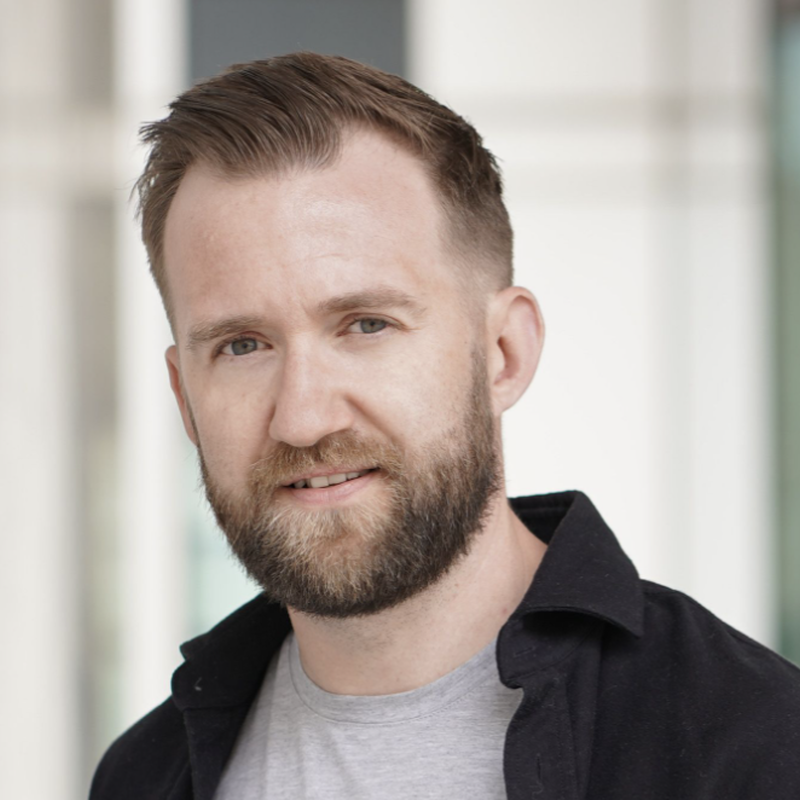
Rich Wilson and Davie Gow share how Arnold Clark transformed from "we don't use contractors" to a scalable blended workforce in under two years.
The 40-40-20 Workforce Is Already Here
The traditional 80-20 workforce model, where 80% of resources are full-time and 20% contingent, is breaking down. Rich Wilson, CEO of Gigged.AI, believes we are already moving toward a 40-40-20 split: 40% internal talent, 40% contingent, and 20% AI agents.
This is not a prediction. It is a description of what leading organizations are doing right now. The internal talent pool is shrinking. The contingent side is growing. And AI agents are filling roles that did not exist 18 months ago. The companies that figure out how to orchestrate all three talent types will have a structural advantage over those still operating on an outdated model.
At Human Cloud, we are building the infrastructure to make this blended approach practical. When companies need to discover, compare, and deploy the right flexible talent solutions, they should not spend months navigating a fragmented market. The 40-40-20 model only works when the infrastructure exists to support it.
"The 80-20 workforce is dead. 40% internal, 40% contingent, 20% agents. That is happening right now." -- Rich Wilson
From "We Don't Use Contractors" to Scalable On-Demand Talent
When Davie Gow joined Arnold Clark as CTO in May 2024, the answer to using contractors was a flat no. The company, one of the UK's largest family-run businesses with 11,500 employees, had experienced problems with contingent workers in the past. The default position was to avoid them entirely.
Davie had spent 20 years as an independent contractor himself. He knew the model worked when implemented correctly. Instead of fighting the resistance, he systematically addressed each stakeholder's concerns. Legal worried about IR35 tax liability. Accounting had been using an external law firm on retainer just to make tax assessments on day-rate contracts. Procurement had no framework for anything beyond traditional hiring.
The solution was to shift from day-rate contracting to outcome-based statements of work through Gigged.AI's platform. This reframed the engagement entirely. The contractor owns deliverables and some risk. Arnold Clark's technical leads review and accept the work through their existing DevOps pipeline. Legal and accounting are comfortable because the compliance framework is built into the workflow.
"I was told we don't use contractors here. I said actually, they're really powerful to help us. Then I spoke to legal, compliance, accounting." -- Davie Gow
Why Procurement Teams Become Blockers
Rich Wilson has seen the same pattern at dozens of enterprises: whoever gets left out of the decision-making process early becomes the person who blocks it at the end. This applies equally to procurement, HR, and technology leaders.
At Gartner, Rich watched procurement and HR leaders select workforce technology platforms without consulting the tech leaders who would actually use them. In other organizations, tech leaders adopted new solutions without looping in procurement. The result was always the same: the excluded party pushed back, not because they were opposed to change, but because they were never brought into the vision.
Davie's success at Arnold Clark came from doing the opposite. He brought accounting, legal, compliance, and operational teams into the conversation before making any commitments. He ran the IR35 assessment through both the traditional method and the Gigged.AI platform, let the accounting team compare results, and built trust through transparency. By the time the pilot launched, every stakeholder had already signed off.
"Whoever is not involved early enough will usually try and block things at the end. They just haven't been on the journey." -- Rich Wilson
AI Adoption Follows the Same Playbook
The irony is that organizations struggling to adopt contingent workforce models are going through the exact same process with AI agents. Both require governance frameworks. Both need stakeholder buy-in across legal, compliance, security, and operations. Both work best when piloted at small scale before being rolled out broadly.
At Arnold Clark, Davie built a cross-functional AI governance board that includes the general counsel, board directors, CIO, CDO, cybersecurity, and the people director. The approach mirrors what he did for contingent workforce adoption: get the right stakeholders in the room, listen to the concerns, run contained pilots, and scale what works.
Rich puts it bluntly: most organizations cannot answer five basic questions about their AI deployment. What are the guardrails? Where is the data stored? What are we putting into it? What is it connected to? What is the safety protocol? If you cannot answer those, you are not ready to scale, no matter how excited your team is.
"The best things to outsource are the things you understand at the absolute nth degree but they're not adding value to your business anymore." -- Davie Gow
Start With a Real Problem, Not a Safe One
Both Rich and Davie agree on the biggest mistake enterprises make when piloting new workforce models: they start with low-value, low-risk problems. This creates a self-fulfilling prophecy where the results look underwhelming and leadership concludes the model cannot handle complexity.
Davie's advice is direct. Find something that is high business value. Accept some risk, but contain it. Run a small proof of concept with the right stakeholders in the room. Listen to the naysayers because they might be highlighting real problems. And take your time. The marketing hype around AI and workforce transformation creates pressure to move fast, but the organizations that get it right are the ones that move deliberately.
You do not need a 40-person program of work. A focused group of four or five people, a few trusted suppliers, and a clear set of success metrics is enough. If it works, scale it. If it does not, you have not signed a five-year contract.
"If it doesn't work, hey, we tried it for six months. Here are the success metrics. You can cut it and go back." -- Rich Wilson
The Bottom Line
The blended workforce is not a future concept. Arnold Clark proved it can be built inside a large, traditional organization in under two years. The 40-40-20 model represents a fundamental shift in how enterprises think about getting work done, and the companies that build the organizational muscle to orchestrate internal talent, contingent workers, and AI agents together will outperform those that do not.
The playbook is the same whether you are adopting on-demand talent or deploying AI agents: bring stakeholders in early, start with a real problem, pilot before you scale, and build trust through transparency. That is what Human Cloud exists to accelerate.
About Rich Wilson
Rich Wilson is the CEO and Co-Founder of Gigged.AI, the blended workforce platform for enterprise. Previously at Gartner and the Allegis Group, Rich brings deep expertise in contingent staffing, future of work advisory, and skills-based talent strategy.
About Davie Gow
Davie Gow is the CTO at Arnold Clark, one of the UK's largest family-run businesses. A 40-year IT veteran, Davie spent 20 years as an independent contractor before leading digital transformation at Lidos and now Arnold Clark.
Listen to the full episode: Human Cloud Podcast on Spotify
This article was adapted from the Human Cloud Podcast. Subscribe wherever you get your podcasts.
Get insights like this every week
Join 26,000+ leaders staying ahead of the flexible talent market.